Warts are a common skin condition that can develop in different areas of the body, often appearing as small, rough-textured growths on the skin’s surface. They may vary in size, shape, and appearance depending on the affected area and the nature of the skin growth. Although warts are generally non-serious, their presence can sometimes cause physical discomfort, affect the skin’s natural appearance, and become a concern when they gradually increase in number or size. Understanding the underlying causes, different types, and common signs of warts is an important step towards making informed decisions about skin health.
In today’s evolving personal care landscape, greater awareness of skin conditions has encouraged people to look beyond surface-level concerns and understand the factors that contribute to their development. From viral infections and skin-to-skin contact to minor cuts and breaks in the skin, several factors can influence wart formation. Recognising these aspects helps individuals approach wart-related concerns with better awareness and make informed choices about appropriate skin care and treatment options.
Warts are small, non-cancerous skin growths caused by the Human Papillomavirus (HPV), which affects the outer layer of the skin. They usually develop when the virus enters the body through tiny cuts, scratches, or breaks in the skin, triggering an excess growth of skin cells in a particular area. Warts may appear on different parts of the body, such as the hands, fingers, feet, knees, and other areas. Their appearance can vary from person to person, with some forming as tiny, smooth bumps while others develop a rough, thickened, or uneven surface.
Although warts are generally harmless, their presence can sometimes become uncomfortable depending on their size and location. For instance, growths on the feet may cause discomfort while walking, whereas those on the hands or face may become noticeable during everyday activities. Some warts may also spread through direct skin contact or by touching contaminated surfaces. Understanding their nature, appearance, and development helps individuals recognise the condition early and make informed decisions about suitable care and treatment options.
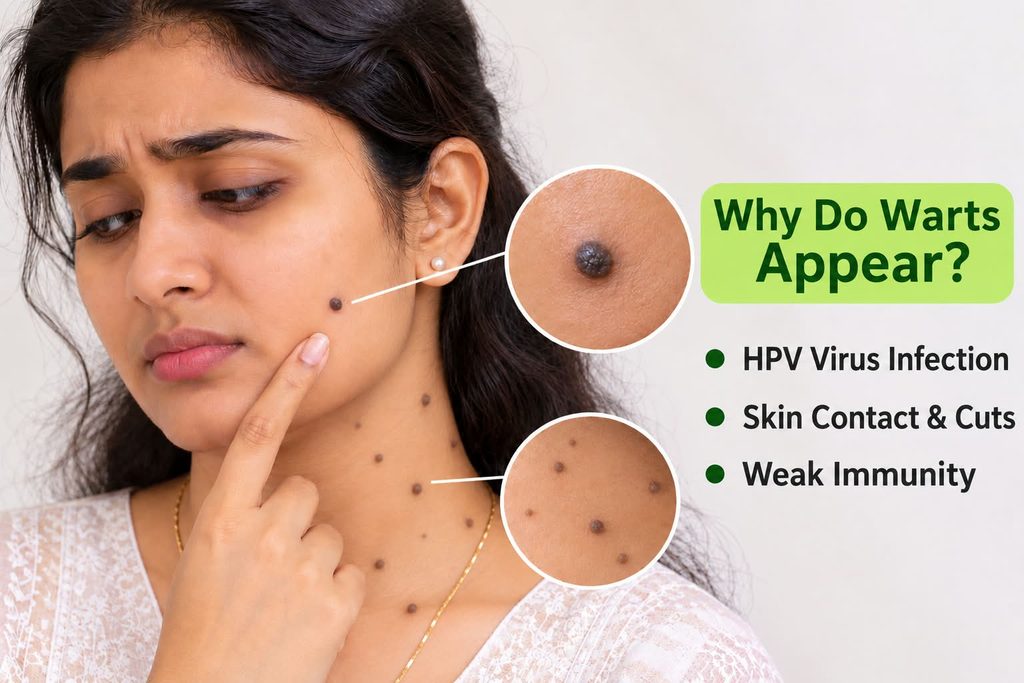
Warts primarily develop due to the Human Papillomavirus (HPV), a virus that affects the outer layer of the skin. When this virus enters through tiny cuts, scratches, or damaged skin, it can trigger an unusual increase in cell growth, eventually forming a visible skin growth. Different strains of HPV are associated with different types of warts, which explains why they may appear in various shapes and sizes across the body. The infection is commonly acquired through direct contact with an infected person’s skin or by touching surfaces contaminated with the virus.
Everyday environments can also contribute to HPV exposure. Places where people frequently walk barefoot, such as public swimming pools, gym changing rooms, and communal showers, can be potential sources of infection. Sharing personal belongings like towels, footwear, nail-care tools, and razors may also increase the possibility of transmission. Additionally, habits such as nail biting, picking at the skin, or frequently touching existing warts can transfer the virus to nearby areas.
A person’s natural immune response is another important factor in wart development. Some individuals are more susceptible to HPV infections because their immune systems may not recognise or control the virus effectively. Children and teenagers are particularly prone to developing warts, while people with weakened immunity may experience recurring growths. However, exposure to HPV does not mean everyone will develop warts, as individual susceptibility and immune response differ.
1. Targeted Treatment: Wart removal lotions are designed for direct application to affected areas, providing a focused approach to managing unwanted skin growths without applying products across the entire skin surface.
2. Improves Skin Appearance: Warts can create raised, rough, and uneven patches that may affect the skin’s natural appearance. Appropriate removal treatments help address these visible growths.
3. Everyday Comfort: Warts developing on the feet, fingers, or other frequently used areas may cause discomfort during daily activities. Addressing these growths can help manage concerns associated with their location.
4. Avoids Unnecessary Self-Removal: Attempting to cut, scratch, or pull out warts can damage the surrounding skin and increase the risk of infection. Using an appropriate treatment approach helps avoid these potentially harmful practices.
5. Convenient Application: A topical lotion with a dropper format allows controlled application to the intended spot, making it easier to follow a consistent treatment routine.
6. Focused Skin Care: Choosing a product specifically intended for wart removal helps individuals follow a more structured approach rather than relying on general skincare products that are not designed for this concern.
Warts develop when the Human Papillomavirus (HPV) enters the skin through tiny cuts, scratches, or damaged areas. Once the virus reaches the outer skin layer, it triggers excessive multiplication of skin cells, gradually forming a raised or rough growth. Depending on the HPV strain, these growths may differ in appearance, size, and location.
Direct contact with an existing wart is one of the common ways HPV spreads. Touching an infected area and then touching another part of the body without proper hand hygiene may transfer the virus, particularly when the skin has minor openings.
Sharing personal belongings such as towels, nail clippers, razors, and footwear can also create opportunities for transmission. Items that come into contact with infected skin may carry viral particles, making personal hygiene and avoiding shared grooming accessories important precautions.
Certain public environments, including swimming pool surroundings, communal showers, and gym changing areas, may increase exposure to HPV. Walking barefoot in these places, along with picking or scratching existing warts, can contribute to infection spreading to other areas. However, not everyone exposed to the virus will necessarily develop warts.
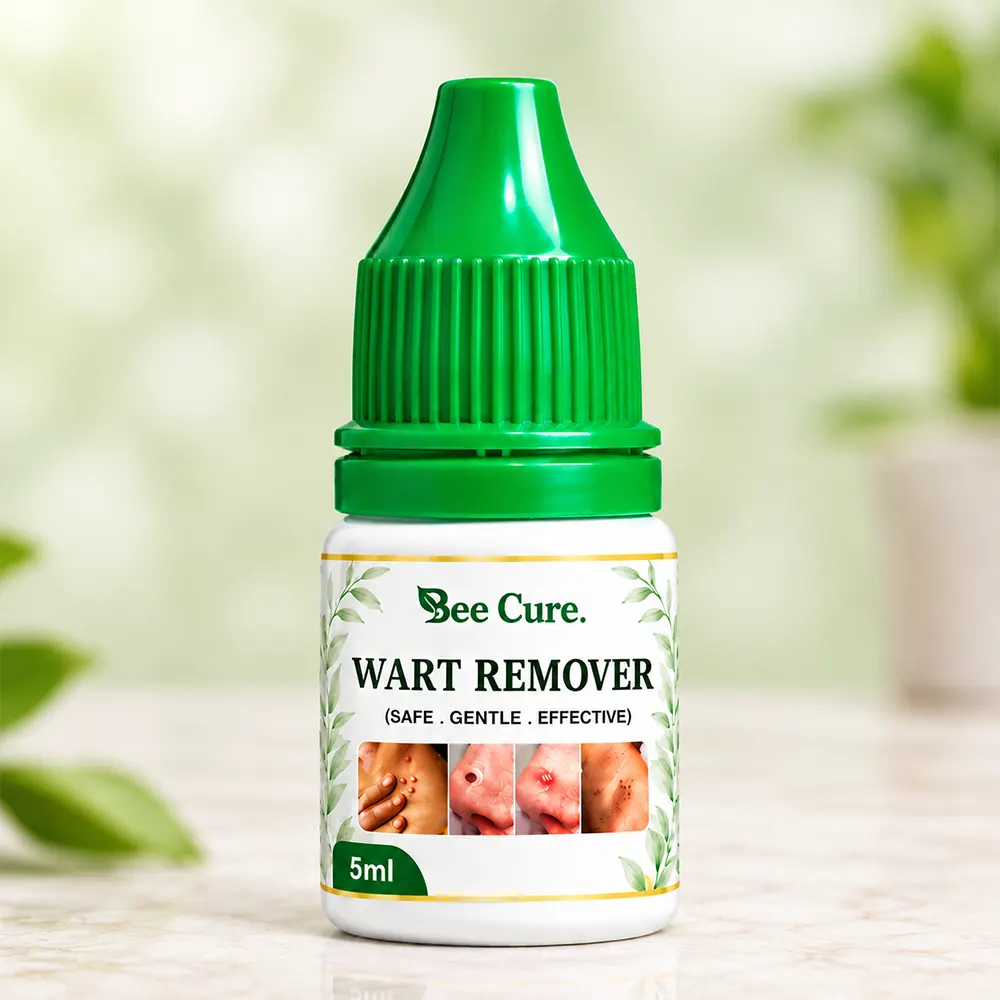
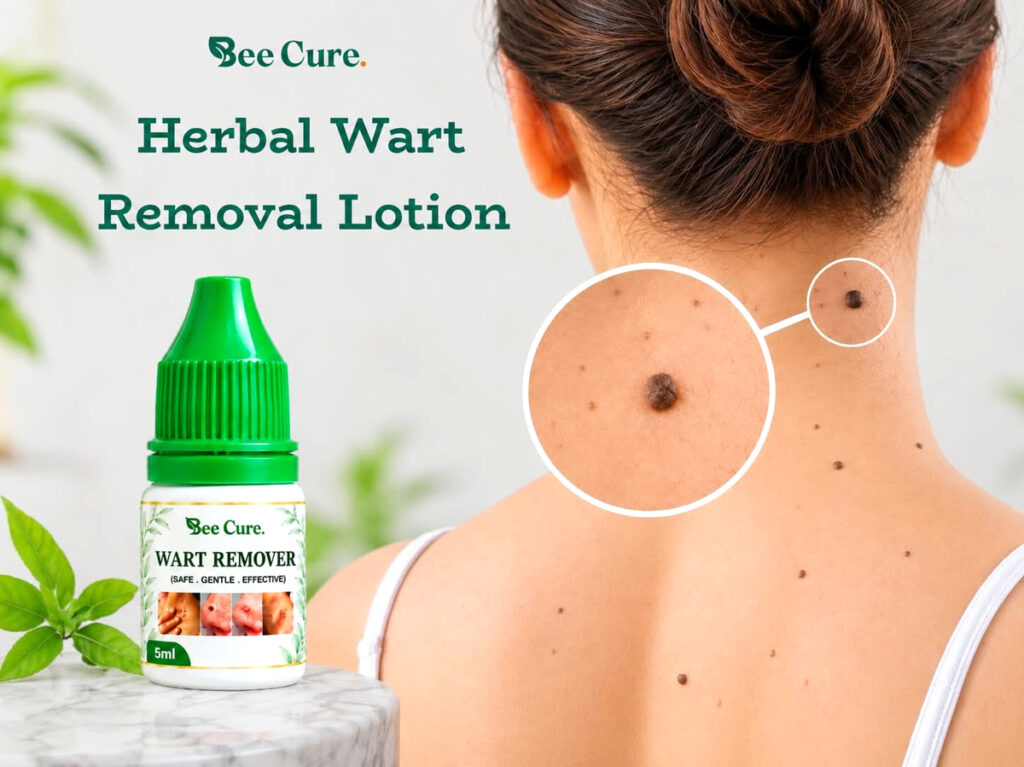
BEECURE Wart Remover Lotion is a specialised herbal formulation developed as part of our commitment to providing targeted personal care solutions. Designed for individuals dealing with unwanted wart growths, this formulation brings a focused approach to addressing a common skin concern. Our aim is to combine traditional herbal knowledge with a convenient product format that fits easily into everyday personal care routines.
At BEECURE, we give importance to ingredient selection and the role of botanical extracts in personal care. Our Wart Remover Lotion is formulated with carefully selected herbal ingredients, reflecting our preference for plant-based formulations. This approach brings together traditional herbal inspiration and purposeful formulation to address specific skin care needs.
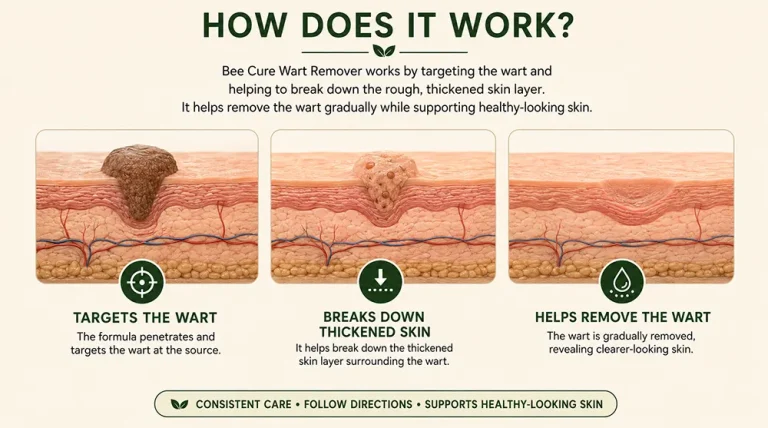
A distinctive feature of our formulation is its Direct Root Action approach, developed with a focus on stubborn wart concerns. Rather than being a general-purpose skincare application, the lotion is intended for precise use on the affected spot. This targeted format makes it easier to incorporate into a dedicated wart care routine.
We have also considered convenience in the product’s application. The lotion comes in a liquid dropper format, allowing users to apply it directly to the intended area. Just one drop per day is the recommended application, making the process simple and easy to follow as part of the suggested usage routine.
With our focus on herbal-based personal care, BEECURE introduces Wart Remover Lotion as a dedicated solution for unwanted wart concerns. Our formulation highlights a 4-day wart removal claim, reflecting the product’s intended use for targeted wart care. Individual results may vary depending on the nature of the skin growth. We encourage customers to follow the product instructions and precautions for appropriate use.
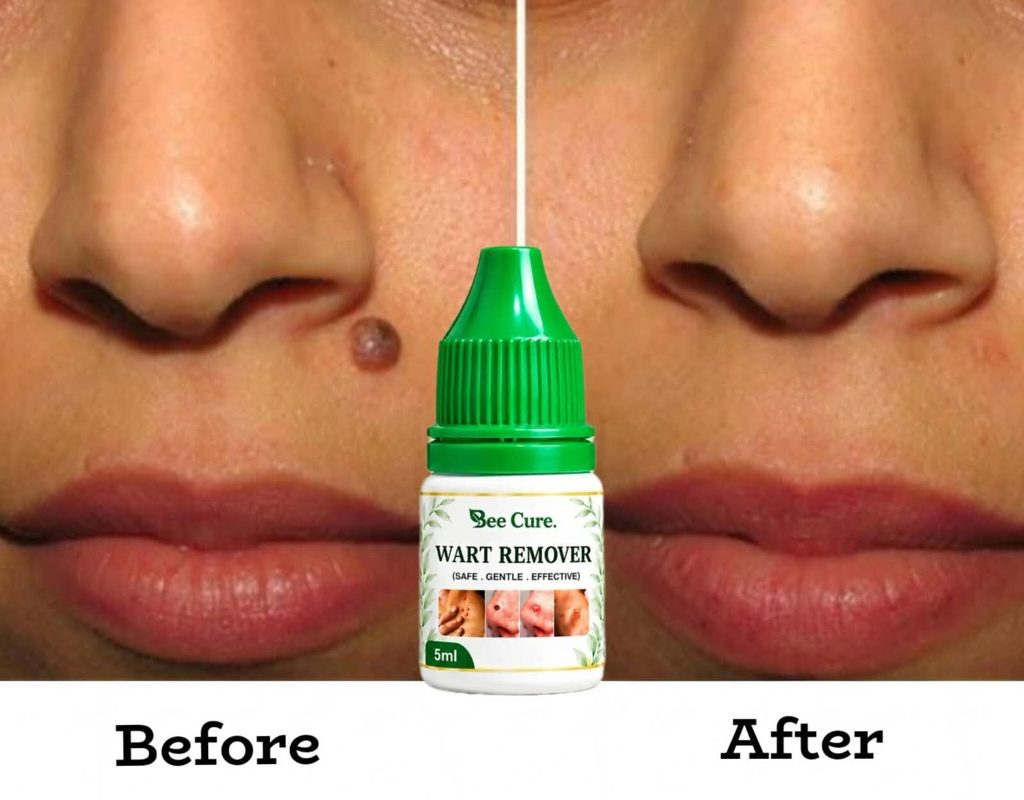
BEECURE Wart Remover Lotion is designed to provide targeted care for areas affected by unwanted wart growths. Its specialised formulation focuses on the affected spot rather than general skin application, making it suitable for a dedicated wart care routine. The product is developed with an emphasis on herbal-based ingredients and a focused application approach.
Targeted Application: The liquid dropper format allows the lotion to be applied directly to the wart-affected area. This helps maintain controlled application without unnecessarily covering larger sections of the surrounding skin.
Direct Root Action: The formulation highlights a Direct Root Action approach, focusing on stubborn wart growths. This targeted concept is intended to address the affected area rather than simply providing general surface-level skincare.
Herbal-Based Formulation: BEECURE incorporates selected herbal ingredients inspired by traditional botanical practices. This reflects our brand’s focus on plant-based personal care formulations.
Convenient Daily Use: With just one drop per day as directed, the application process is simple and easy to follow. The product highlights a 4-day wart removal claim, although individual results may vary depending on the nature of the skin growth.
BEECURE Wart Remover Lotion contains 5 key formulation components, combining traditional Ayurvedic and mineral-based ingredients.
1. Haridhra (Curcuma Longum): Traditionally valued for its anti-inflammatory and skin-protective properties, helping support the care of affected skin.
2. Shubhra (Aluminium Sulphate): Has astringent properties that help tighten surface tissues and support the formulation’s action on elevated warts.
3. Sal Ammoniac (Ammonium Chloride): Acts as a formulation component that contributes to the overall chemical composition of the preparation.
4. Swarjika (Coroxylon Foetidum): A key component of the formulation, included as part of its targeted approach to elevated wart growths.
5. Saturated Solution of Calx: Forms the liquid base of the preparation and contributes to its overall formulation.
For effective and precise application, follow these simple steps as part of your wart care routine:
Step 1: Clean the Area
Wash the affected skin gently with lukewarm water to remove dirt and impurities. Pat the area dry using a clean, soft towel.
Step 2: Apply the Lotion
Using the dropper, carefully place just one drop of BEECURE Wart Remover Lotion directly onto the wart. Take care to avoid contact with the surrounding healthy skin.
Step 3: Allow It to Dry
Leave the applied lotion undisturbed for approximately 2–3 minutes, allowing the liquid to dry naturally on the targeted area.
Step 4: Follow the Recommended Routine
Apply once daily, as directed, and maintain consistency according to the product instructions until the wart dries and sheds naturally.
Important: Avoid applying the lotion to surrounding skin, open wounds, or irritated areas.
The time required for wart removal may differ from person to person, depending on factors such as the growth’s size, thickness, location, and how long it has been present. Smaller growths and stubborn, long-standing warts may respond differently to treatment. The condition of the affected skin and individual response can also influence the overall process. Therefore, understanding the nature of the wart is important when considering the expected time for visible changes.
BEECURE Wart Remover Lotion highlights a 4-day wart removal claim, with just one drop per day as directed. The wart may gradually dry and shed naturally, although individual results can vary.
Yes, BEECURE Wart Remover Lotion is developed to address unwanted skin growth concerns, including warts and skin tags. Skin tags are small, soft, flesh-coloured growths that commonly appear in areas such as the neck, underarms, eyelids, and inner thighs, where frequent skin friction occurs. They usually develop as tiny, raised or hanging projections and may vary in size and appearance. Although skin tags are different from warts in their formation, both can become noticeable concerns that people may prefer to manage as part of their personal care routine.
At BEECURE, we focus on developing targeted personal care formulations inspired by traditional herbal practices. Our Wart Remover Lotion combines a herbal-based formulation with a convenient dropper application, allowing the product to be applied directly to the intended area. It is positioned as an option for addressing unwanted skin growths, including skin tags, while keeping application simple and convenient. Since skin tags are different from viral warts, the suitability of any removal product depends on the type and location of the growth.
| SKIN TAGS | WARTS |
| Soft and smooth texture | Rough or uneven texture |
| Usually flesh-coloured | May be skin-coloured, brown or grey |
| Common around neck and underarms | Common on hands, fingers and feet |
| Not contagious | Can spread through HPV infection |
| Often attached by a small stalk | Usually appear as raised or flat growths |
When dealing with warts, certain habits and self-removal attempts can irritate the affected area, damage surrounding skin, or contribute to spreading the infection. Avoid the following practices:
1. Avoid Picking or Scratching: Do not repeatedly touch, scratch, or peel an existing wart, as this may transfer HPV to nearby skin and encourage additional growths.
2. Do Not Cut or Pull Warts: Attempting to remove a wart using blades, scissors, or sharp objects can cause bleeding, skin injury, and infection.
3. Avoid Sharing Personal Items: Do not share towels, nail clippers, razors, footwear, or other grooming accessories that may come into contact with affected skin.
4. Do Not Ignore Skin Changes: Avoid overlooking growths that become painful, bleed, change colour, or increase rapidly in size.
5. Avoid Applying Random Home Remedies: Using harsh ingredients or unverified substances directly on warts may cause irritation, burns, or damage to healthy skin.
6. Do Not Use Removal Products Carelessly: Always follow the recommended application instructions and avoid spreading wart removal formulations onto surrounding healthy skin.
Although most warts are harmless, certain changes in their appearance or behaviour may require medical attention. Consulting a dermatologist is advisable in the following situations:
Early medical evaluation helps identify the nature of the growth and determine an appropriate treatment approach.
Warts may appear as small skin growths, but their presence can sometimes become a concern due to their appearance, texture and tendency to spread to other areas. Understanding what causes warts, recognising their different forms and following appropriate skin-care practices are important steps towards managing these concerns effectively.
Avoiding unnecessary contact with existing growths, maintaining personal hygiene and choosing suitable care options can help you take a more mindful approach to skin health. For those looking for herbal-based wart care, BEECURE Wart Remover Lotion offers a targeted application approach with just one drop per day and a highlighted 4-day removal claim.
Remember, healthy skin begins with the right care and attention. Make informed choices, follow the recommended application instructions and give your skin the care it deserves.
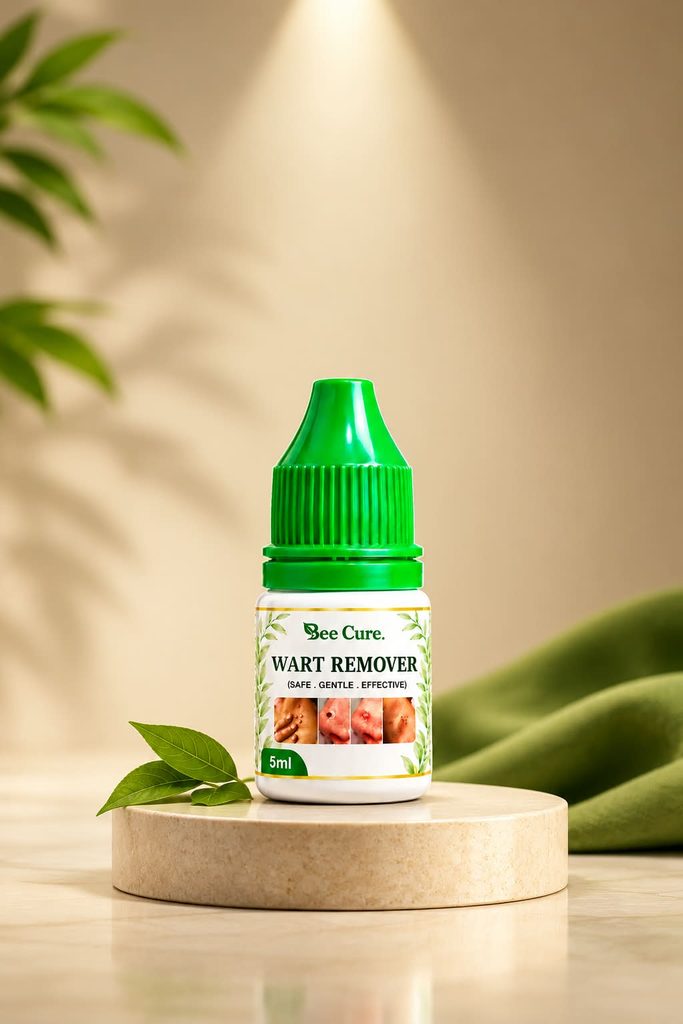
Choose Confidence. Choose BEECURE
Warts are small skin growths caused by HPV (Human Papillomavirus), which enters the skin through tiny cuts.
Warts can spread through direct skin contact, scratching, or sharing personal items like towels and razors.
HPV can affect different areas of the skin, especially where tiny cuts or breaks allow the virus to enter.
No. Warts are mainly caused by HPV, not poor hygiene.
Yes, some warts disappear naturally when the immune system fights the virus, but it may take months or years.
Use suitable wart treatments as directed and avoid cutting, scratching, or picking the affected area.
Check the ingredients, skin compatibility, application instructions, and suitability for the affected area.
BEECURE Wart Remover Lotion is a herbal-based product formulated for targeted wart care.
BEECURE Wart Remover Lotion contains herbal extracts and selected ingredients. Refer to the product label for the complete list.
Clean and dry the affected area before applying. Follow the product label for the correct application method and frequency.